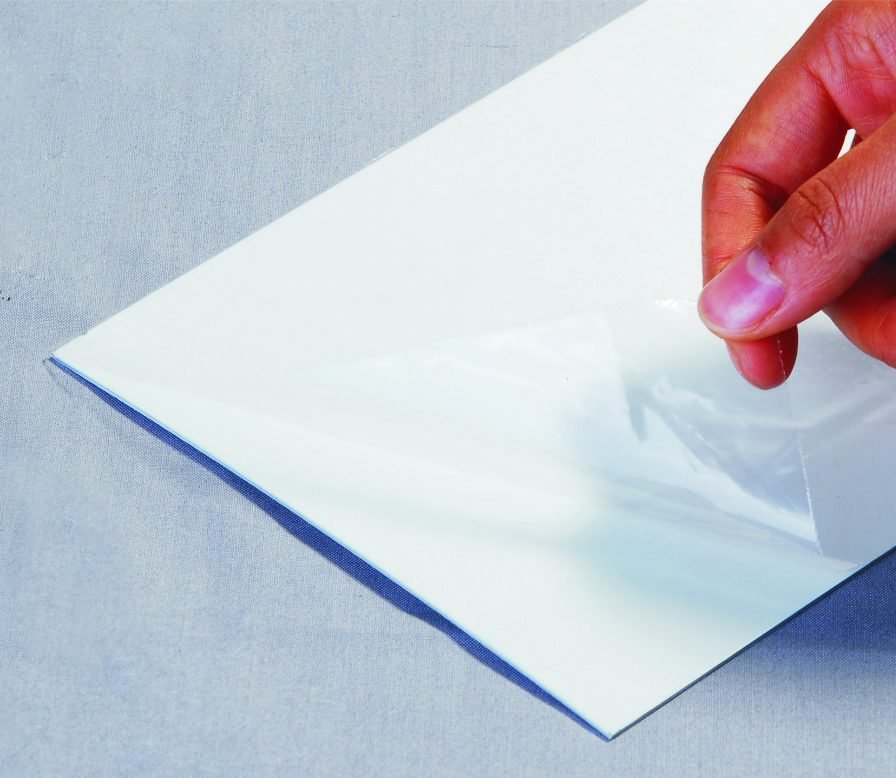
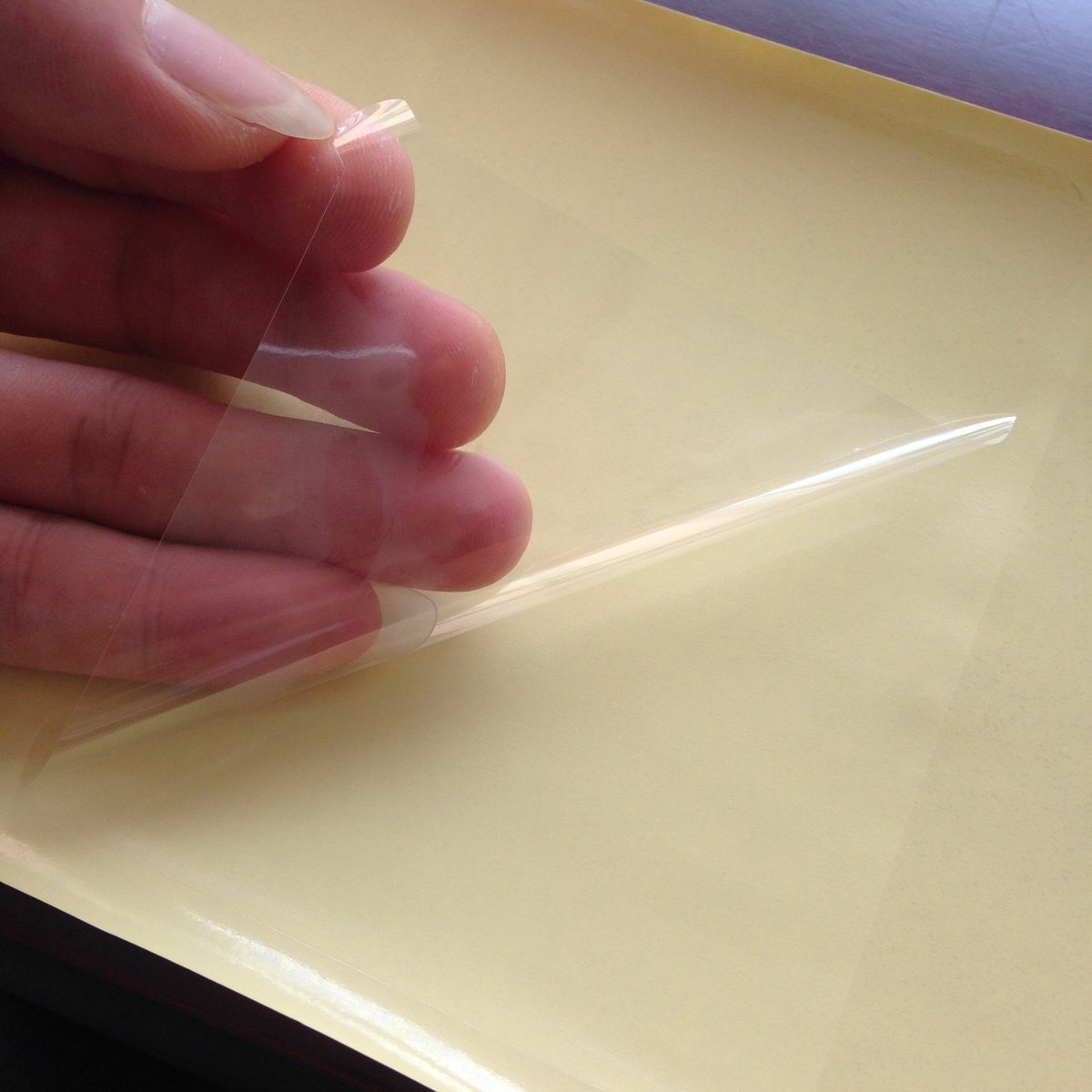
How to Choose the Right Protective Film: A 7-Step Selection Guide
Wrong film costs more than the film itself. Use this 7-step checklist — substrate, process, adhesion window, thickness, temperature, dwell time and removal — before you request a quote.
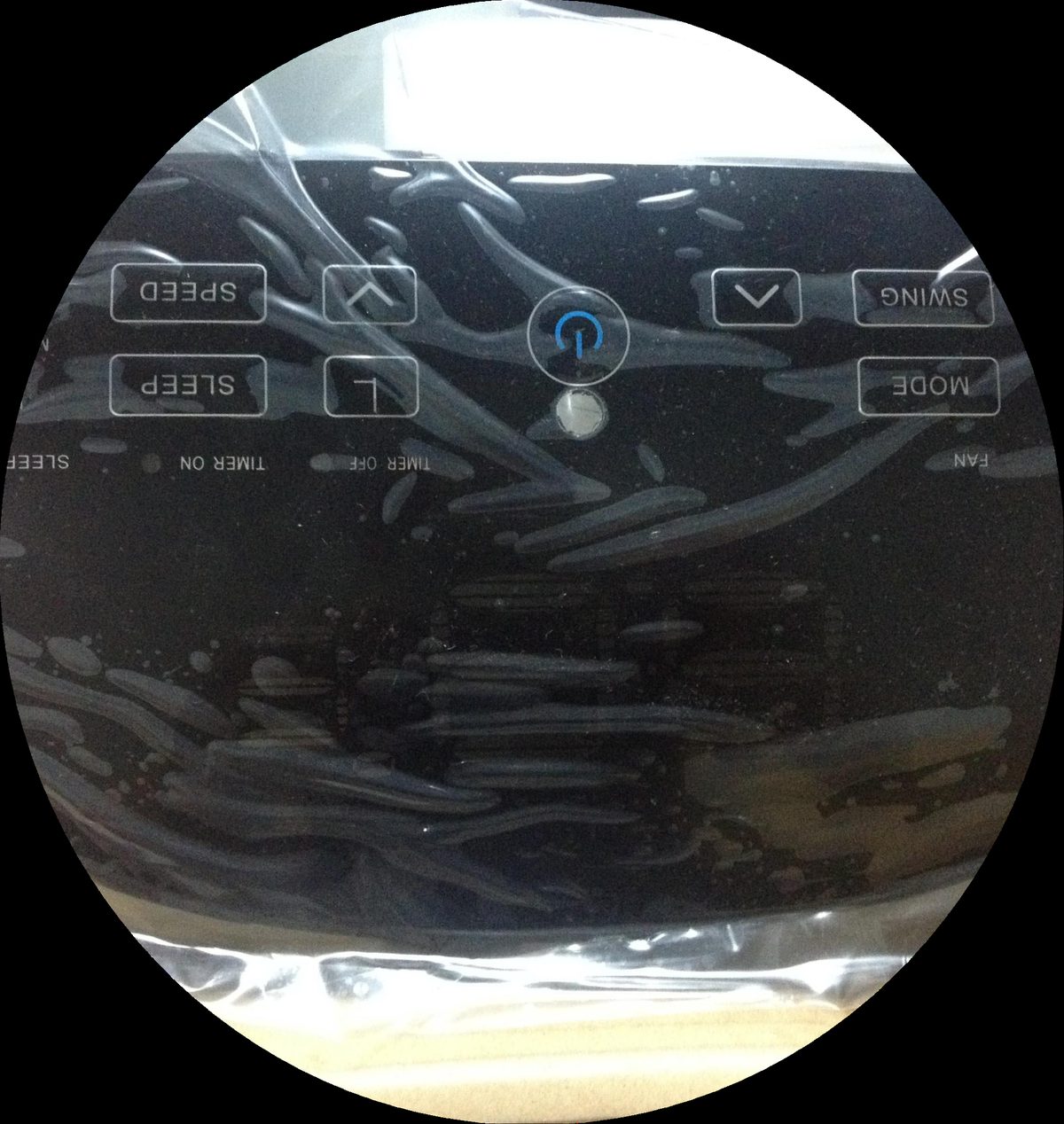
Most quality complaints trace back to one root cause: the film was specified before the application was fully understood. Buyers usually start from price per square meter; engineers should start from the surface. This guide gives you the seven questions we ask every customer before recommending a model.
**1. What is the substrate?** Aluminum profiles, stainless steel sheets, coated metal, PC/PMMA sheets, glass and painted surfaces have very different surface energies. Smooth, high-energy surfaces hold low-adhesion film well; rough or low-energy surfaces need more adhesive. Tell us the exact material and finish (brushed, anodized, mirror, powder-coated) — this single detail eliminates most wrong picks.
**2. What processing follows?** Bending, punching, laser cutting, CNC milling and deep drawing all add heat, pressure and mechanical stress. If you bend after lamination, the film needs elongation matching the sheet. If you laser-cut, ask for a film rated for that process — otherwise burnt edges and residue follow.
**3. Adhesion window.** Acrylic PET films typically span 5 to 1,500 g/in. Low tack (5–50 g/in) suits short-term protection on smooth surfaces; medium (50–300 g/in) is the workhorse for aluminum profiles and stainless transport; high (300–1,500 g/in) is for rough surfaces, thick gauge, long storage or outdoor exposure.
**4. Film thickness.** Thicker film resists puncture and tearing during handling, but costs more and is stiffer to apply. Common choices: 30–50 µm for light-duty indoor protection, 50–70 µm for profiles and sheet metal, 80–120 µm plus for transport with rough handling or sharp edges.
**5. Temperature.** Standard acrylic adhesives are usually fine up to about 60–80 °C; rubber-based systems lose cohesion earlier; silicone systems handle high heat but cost more and can leave silicone contamination. Always state peak temperature *and* dwell time at that temperature.
**6. Dwell time and environment.** A film that peels cleanly after two weeks may bond much harder after three months in a hot warehouse. UV exposure, humidity, salt air during sea freight and stacking pressure all change the effective peel strength. Tell us the target removal date, not just an optimistic 'as soon as possible'.
**7. Removal conditions.** Who removes it, by hand or machine, and at what temperature? Hand removal on site in winter behaves very differently from a warm line. If the film must be removed by automated equipment, ask us to match release characteristics to your unwind speed.
**Recommended starting points.** For aluminum profiles: our PE self-adhesive series (GDY-025, GDY-033, GDY-047, GDY-032) covers most extrusion finishes. For electronics and die-cutting: PET series models GDY-024, GDY-011, GDY-008 and GDY-060. Send us your substrate and process conditions and we will send free samples for a trial on your line.