MOQ Reality Check: What One Roll Actually Costs You
A 500 m roll covers about 610 square meters, but freight, shelf life and changeover cost can double its real price. Here is how to break MOQ into numbers you can decide on.
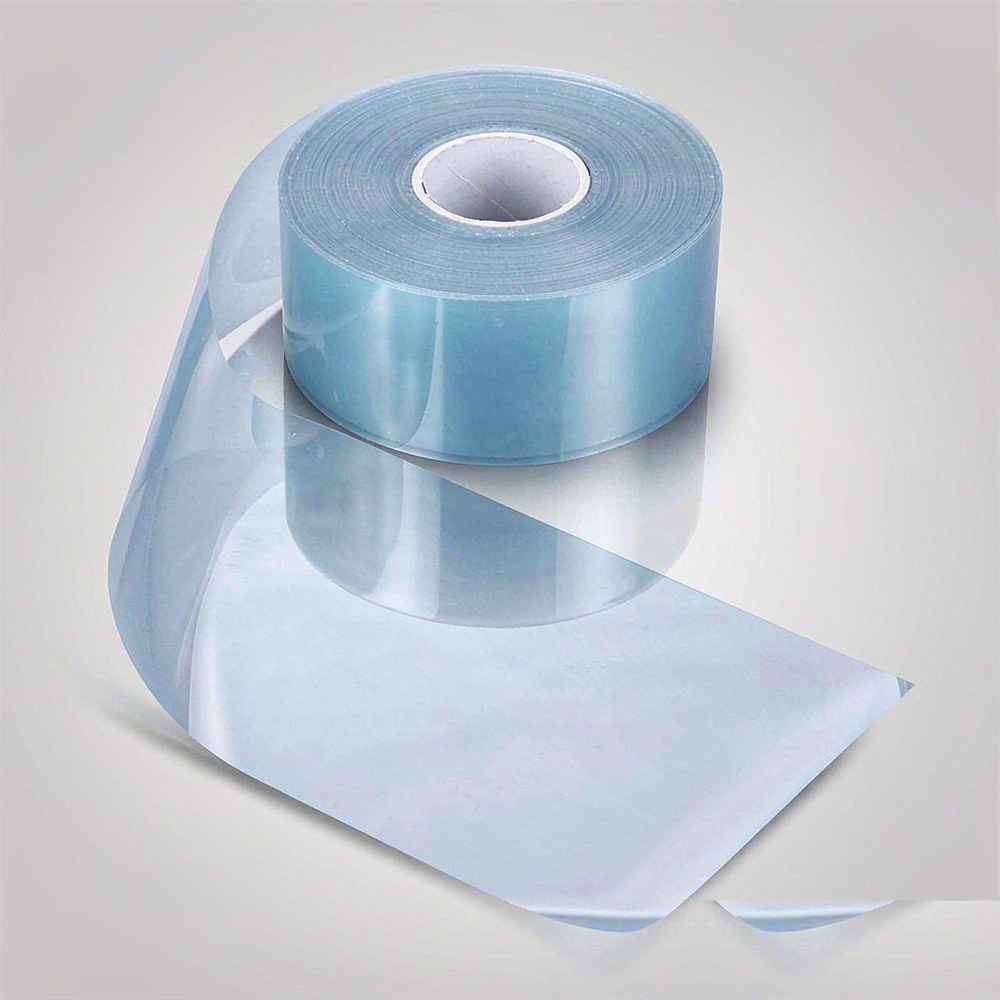
You ask a supplier for three rolls of 50 micron blue PE film, 1.22 m wide, to protect galvanized panels through a four-week trial run. The reply comes back as one number: minimum order quantity. If you only compare that MOQ against your immediate need, the order looks absurd. But the more expensive mistake usually happens after you sign — freight, storage time and changeover cost quietly change what a single roll actually costs you. This article takes that number apart.
MOQ exists because of how the product is made. A PE protective film is not produced sheet by sheet; it is coated as a continuous web, dried, then slit. Every production run has to carry the setup time of the coating head, and each change of colour or adhesive means cleaning the coater before the next grade can run. That is why a custom colour or a custom width carries a much higher minimum than a standard 50 micron blue film the factory already runs regularly.
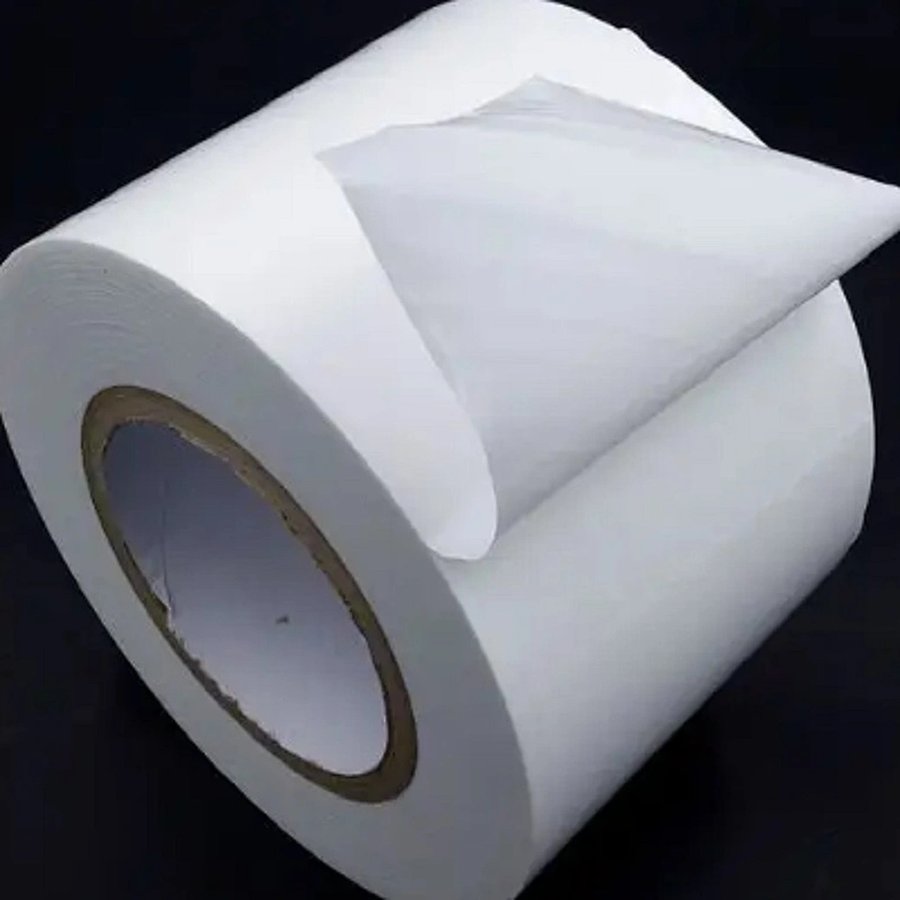
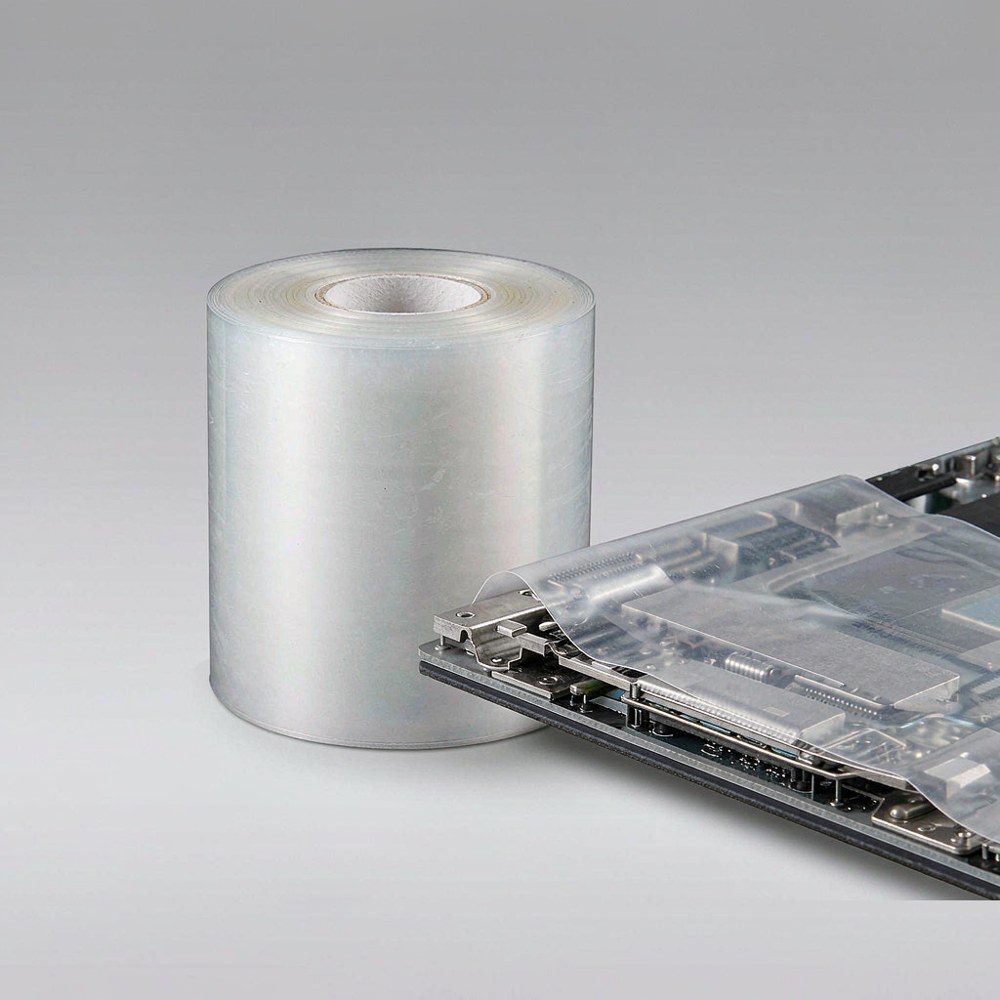
Start from the physics of one roll. A roll 1.22 m wide and 500 m long delivers about 610 square meters of usable film. At a nominal 0.05 mm thickness and a typical PE density near 0.92 g per cubic centimeter, the polymer in that roll weighs roughly 28 kilograms before cores, packaging and edge trim. Films in this class span 0.02–0.20 mm in thickness and 200–1000 m in roll length — our GDY-033 construction film is specified across exactly those ranges — so one roll can weigh anywhere from about 11 to over 110 kilograms.
Freight is the first hidden layer. Sea and land freight are billed by weight and volume, and a pallet of film rolls is bulky relative to its value. When MOQ pushes you into a full pallet or a full container you had not planned for, the freight per square meter of film rises sharply. The right question for your forwarder is not the freight rate but the landed cost per roll at two quantities: the quantity you want and the supplier's MOQ.
Shelf life is the second layer, and the one buyers forget most often. PE protective films typically carry a shelf life in the range of 6–12 months when stored around 23°C at moderate humidity and away from direct sunlight — conditions stated on supplier datasheets, not a guarantee for your warehouse. Adhesion also grows during storage: a film specified at 30–300 g/25mm under GB/T 2792 will not peel the same after half a year on a hot rack. If MOQ exceeds six months of your consumption, part of the order is aging out on your rack.
Changeover cost is the third layer, and it works in the opposite direction. The expensive part of a custom order is not the extra film — it is the changeover itself. So the cheapest small order is usually a product the factory already runs: a standard colour, a standard adhesive level, a thickness near the middle of the range such as 0.05 mm. The further your request sits from what the line already makes, the more fixed cost the MOQ has to absorb.
That suggests a practical trick: order wide and slit close to home. GDY-033 is supplied in widths from 150 to 2100 mm, so a buyer who needs 1250 mm can often take a wider standard width and trim it in-house or through a local slitting service, instead of triggering a custom-width production run. You pay for a little waste film, but you avoid the changeover cost, the higher minimum and the longer lead time that a fully custom width implies.
Before deciding, put the three layers into one sheet. Divide the roll price by usable square meters, add freight per roll, duties, and a waste allowance of a few percent for cores and edge trim. Then compare that landed number against two alternatives: buying a few rolls from a local distributor at a higher unit price, and joining a stock program for a standard grade. For most buyers the breakeven sits between one pallet and one container per month — the exact point depends on your lane and your warehouse.
Then validate the film itself, not just the arithmetic. Order free samples slit to your width, run a seven-day trial on your own line, and peel-test at the storage intervals your panels will actually see. When you request a quotation, ask for two lines: one for the standard grade at its regular minimum, and one for your custom width at full MOQ. Put both into your cost sheet, and let the numbers — not the minimum — make the decision.